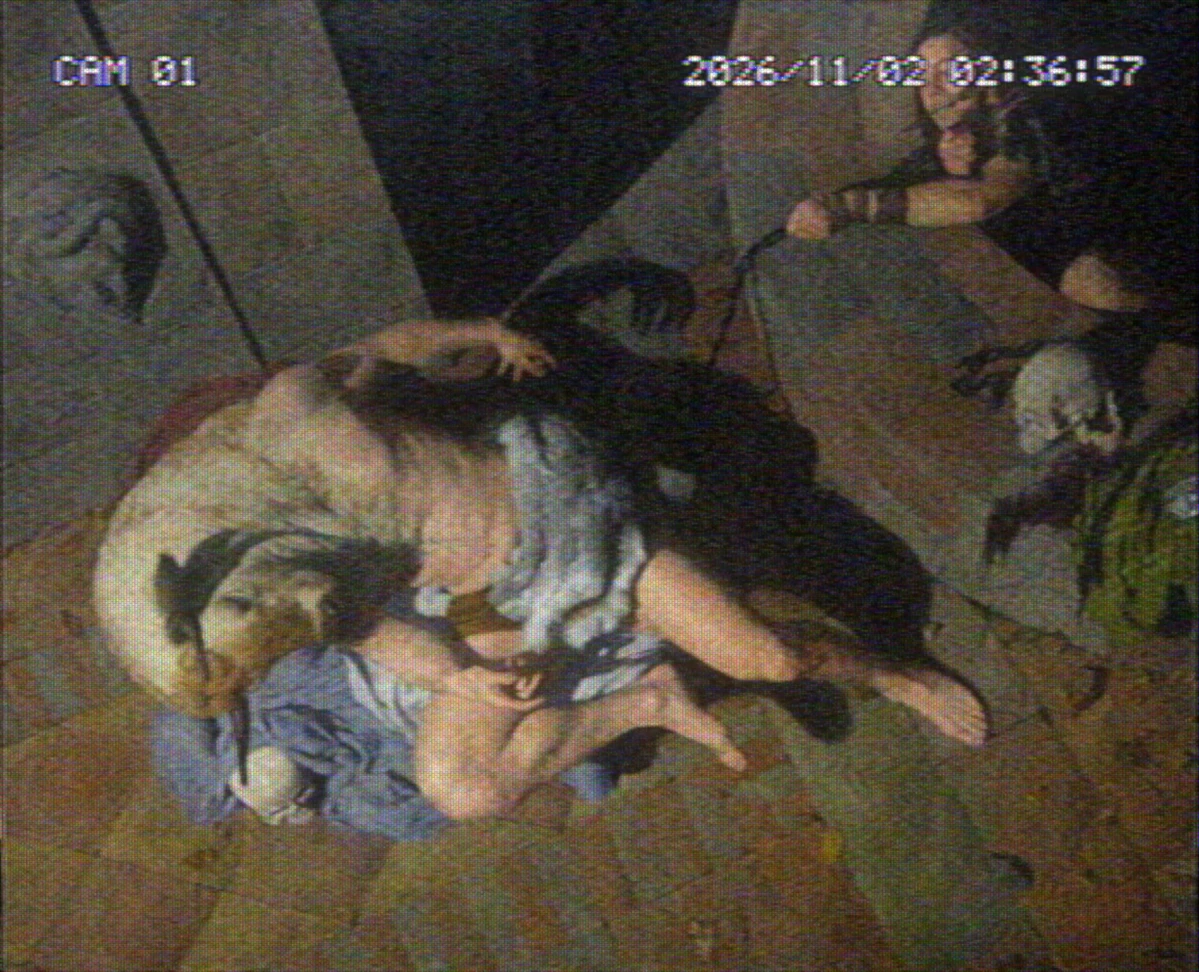
People often say "VHS look" when they mean an old TV, and "CRT effect" when they mean a worn tape. Both are retro, both have lines and noise, but they come from two different machines. Knowing which is which makes your retro look more believable.
The short answer
- CRT is the screen: the heavy glass tube TV or monitor. It draws the picture with a beam, line by line.
- VHS is the tape: the recording format. It stores the picture badly and plays it back with errors.
A CRT can show a perfectly clean picture. A VHS tape looks worn even on a modern screen.
What a CRT looks like
- Scan lines. Thin dark gaps between the lines the beam draws.
- Phosphor pattern. Tiny red, green and blue stripes or dots, visible up close.
- Glow. Bright areas bloom softly inside the glass.
- Curved glass. The picture bulges and the corners round off.
- Afterglow. Bright moving things leave short trails.
What VHS looks like
- Soft picture. Tape keeps little detail.
- Color bleed. Color smears to the right of shapes.
- Noise and wobble. Grainy streaks and lines that shift sideways.
- A torn band at the bottom. Where the playback heads switch.
- Tracking errors. Noise bars and jumps when the heads drift.
Side by side
| CRT | VHS | |
|---|---|---|
| What it is | A display | A recording medium |
| Typical marks | Scan lines, phosphor mask, glow, curve | Color bleed, noise, wobble, tracking errors |
| Sharpness | Can be sharp | Always soft |
| Overlays | Channel logo, TV menu, subtitles | Date stamp, VCR display |
| Feels like | Watching TV, arcades, old computers | Home movies, rental tapes, found footage |
When to use which
Pick CRT when the screen itself should be visible: retro game footage, arcade looks, terminal text, a security monitor, or a channel-switching moment.
Pick VHS when the footage should feel recorded and old: music videos, family memories, found footage horror, or anything with a "tape from the 90s" story.
Use both
The most convincing retro looks combine them, and the order changes the story:
- VHS, then CRT: a tape played on an old TV. The tape's errors appear inside the glass, with scan lines on top.
- CRT, then VHS: a TV screen that was filmed and recorded onto tape. The screen looks worn and wobbly.
In Dasca
Dasca has both as separate effects. TV simulates the CRT, with styles from a living room set to an arcade monitor, and extras like channel changes and switching off. VHS simulates the tape, with styles from a rental copy to damaged found footage. Stack them in the effect chain in either order.
Want the full walkthrough? Read How to make a VHS effect.